Why This Pune Factory Runs Like Clockwork (And Yours Doesn't)
The 30-Second Version
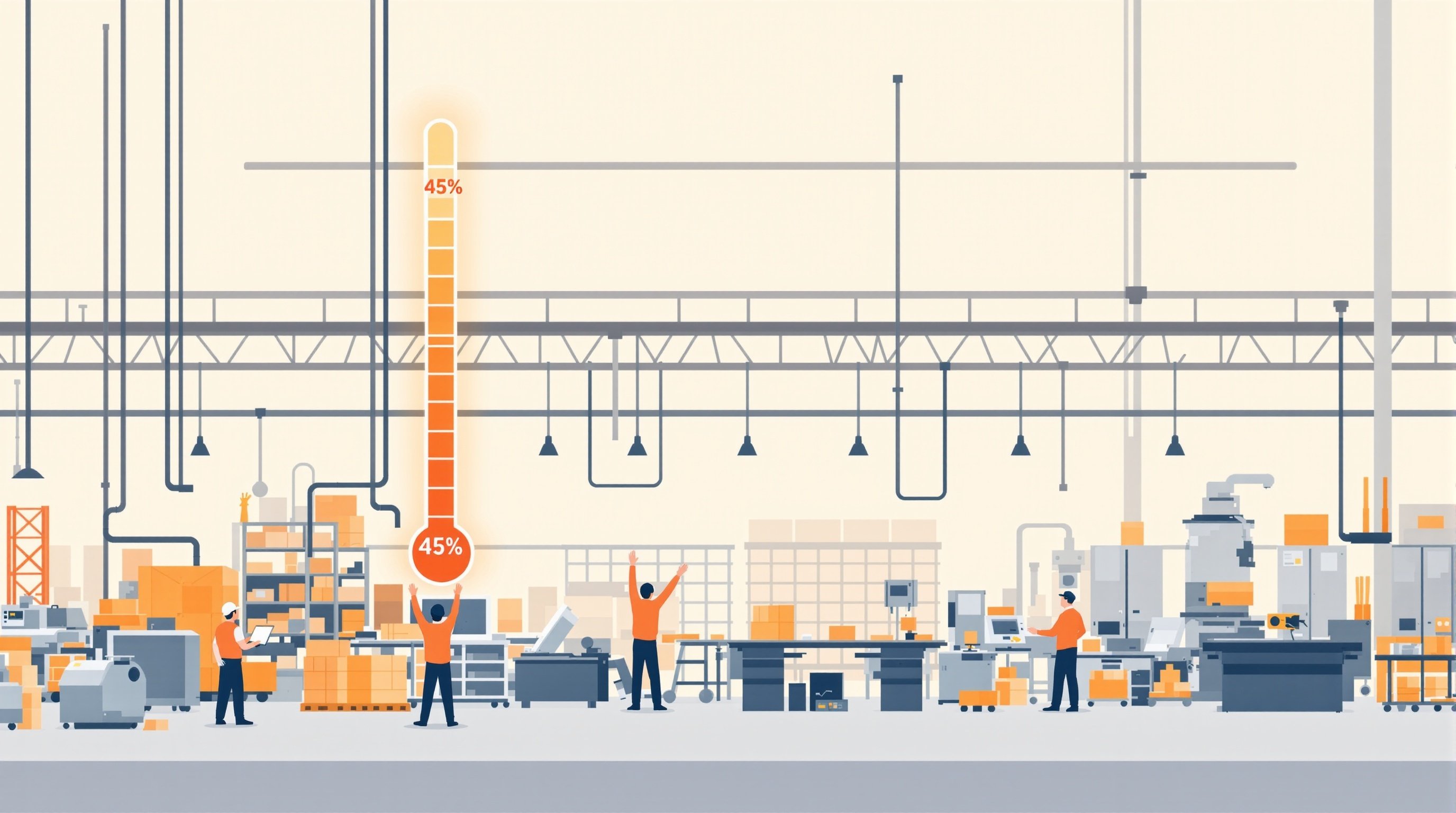
Most factories can't tell if production is on track without asking someone. One Pune electronics plant changed that with ₹40,000 in whiteboards and colored tape. Supervisor firefighting dropped 60%.
Here's a test: Can you tell if your factory is on track from 50 feet away?
No screens. No questions. No spreadsheets. Just your eyes.
In most Indian factories, the answer is no. Production status lives in a supervisor's head, buried in Excel sheets that are outdated by noon.
Suresh Electronics in Pune was exactly this factory. Until 2022.
Walk in today and you'll notice something strange: It's calm. Machines hum, but there's no shouting. No supervisors running around with clipboards. No chaos.
How? Simple whiteboards and colored tape.
A year ago, this same floor was a war zone. Information hoarding was the culture. Supervisors guarded production data like state secrets. Problems only surfaced when they'd already snowballed into crises.
The production manager, Vikram, spent 4 hours daily just chasing updates. "I'd ask three people the same question and get three different answers."
The transformation started with one question: What if everyone could see the truth?
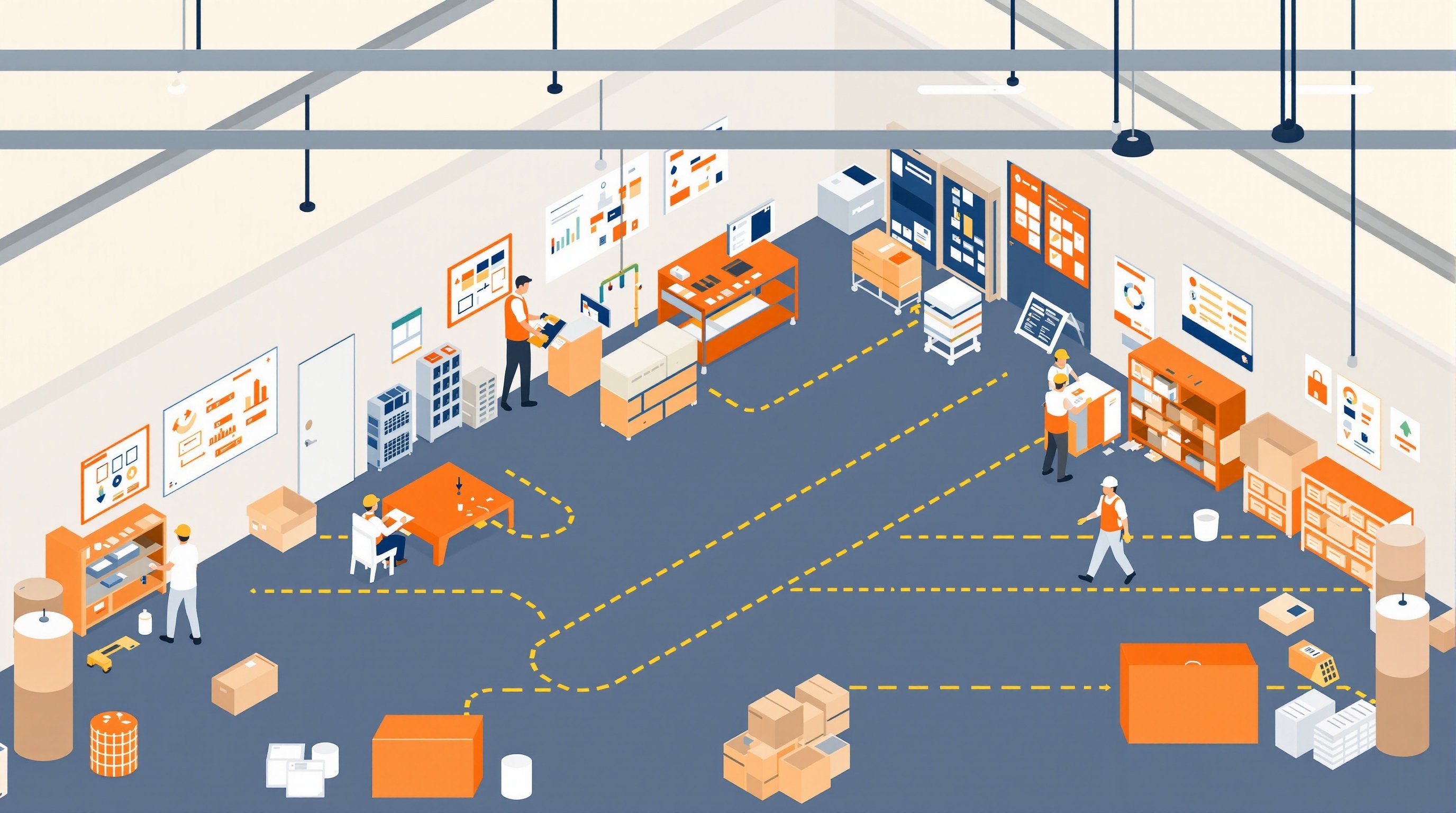
Large whiteboards went up in every section. Hourly target vs. actual, updated with red and green magnets. Andon lights on critical machines — red for breakdown, yellow for material shortage, green for running.
Color-coded floor lines. Material paths in blue. Finished goods in green. People in yellow.
The result? Problems became impossible to hide.
When Machine 7 flashed red, everyone saw it. No one had to report it. The maintenance team was already walking over.
When Line 3 fell behind at 11 AM, the board showed it. The team didn't wait for the 4 PM production meeting to react.
Vikram's firefighting time dropped from 4 hours to 90 minutes. "Now I actually have time to improve things instead of just reacting to them."
The lesson isn't about whiteboards. It's about transparency.
When information is hidden, problems fester. When it's visible, problems get solved.
The Lean Angle
What can Indian SME owners learn from this?
2. Supervisors shouldn't be information brokers. When status updates require asking questions, you've built a system that depends on availability. Boards don't take lunch breaks.
3. Transparency creates ownership. When everyone sees the same truth, blame games disappear. The board doesn't lie, and neither can anyone else.
Our Visual Factory Quick-Start identifies the 3 metrics that matter most for your floor and designs a simple, non-digital system to make them visible to everyone.
One week. No fancy software. Just clarity your team can see from across the room.
Until next time — make your problems visible before they become crises.
If this made you pause or rethink something, pass it on to a fellow operator, plant head, or business owner. Inspiring stories are meant to be shared on WhatsApp, LinkedIn, or wherever good ideas travel.
Share this story: